San Francisco, a city renowned for its dynamic culinary scene, continues to shine brightly as a global fine dining destination. When we talk about michelin star restaurants San Francisco 2024, we're discussing a landscape that's not just holding steady but evolving, securing its spot as second only to New York City for the sheer number of prestigious stars. This isn't just about lavish meals; it's about culinary artistry, meticulous service, and unforgettable experiences that define the very best of what the Bay Area has to offer.
Navigating this elite tier of dining can feel daunting, but understanding what makes these establishments special – and how to make the most of your visit – turns the quest for a reservation into an exciting journey. The Michelin Guide, with its distinct star ratings, serves as your compass, pointing to restaurants that are "worth a stop," "worth a detour," or even "worth a special journey." As of the most recent guide updates (reflecting the 2025 dining year), San Francisco boasts an impressive 26 Michelin-starred restaurants within its compact 47 square miles, a testament to its vibrant gastronomic culture.
At a Glance: Your Michelin Star Dining Essentials
- Understanding the Tiers: Distinguish between one, two, and three stars to match your desired experience and budget.
- Mastering Reservations: Learn booking windows, strategies for popular spots, and available walk-in options.
- Budgeting Realistically: Account for tasting menus, à la carte choices, wine pairings, and service charges.
- Diverse Culinary Journeys: Explore everything from refined Italian and New American to innovative Asian-inspired and Mexican heritage cuisine.
- Beyond the Plate: Appreciate the atmosphere, service, and unique narratives each restaurant presents.
- Staying Current: Be aware of changes in the Michelin landscape, including new stars and closures.
Deciphering the Stars: What Each Rating Means for Your Palate
The Michelin Guide is more than just a list; it's a global authority on culinary excellence, with its star system offering a clear, concise way to communicate a restaurant's caliber. Knowing what each star signifies helps you align your expectations with the experience:
- One Star: "Worth a Stop" – This indicates a restaurant offering high-quality cooking that is definitely worth stopping for if you're in the area. Expect skillfully prepared dishes using top-tier ingredients. These are often excellent choices for a memorable weeknight dinner or a more accessible entry into Michelin dining.
- Two Stars: "Worth a Detour" – Here, the personality and talent of the chef truly shine through in expertly crafted dishes. A two-star establishment means the food is exceptional, and the restaurant is worth making a special detour to experience. Expect creativity, precision, and a unique culinary voice.
- Three Stars: "Worth a Special Journey" – The pinnacle of fine dining, three stars are awarded to restaurants with exceptional cuisine where diners eat extremely well. These establishments offer distinct dishes executed to perfection, often pushing the boundaries of culinary art. A meal here is an experience unto itself, justifying a special trip solely for the restaurant.
As of the latest guide, San Francisco holds strong with three 3-star restaurants, seven 2-star establishments, and sixteen 1-star gems. This year saw dynamic shifts, including Kiln earning its second star and Sons & Daughters also climbing to two stars. Meanwhile, the one-starred The Shota closed, reminding us that even at this level, the culinary world is ever-evolving. You might also notice less emphasis on "Green Stars" for sustainable gastronomy, as the official Michelin website has removed the search option, indicating a shift in their immediate public-facing priorities.
The Apex: San Francisco's Three-Star Culinary Journeys
Securing a three-star designation is a rare feat, and San Francisco's trio represents the absolute zenith of culinary artistry. These aren't just meals; they are carefully orchestrated gastronomic narratives, often requiring reservations booked far in advance and a significant investment of time and money.
- Atelier Crenn (3 Stars): Chef Dominique Crenn shattered glass ceilings, becoming the first female chef in the U.S. to earn three Michelin stars. Her Fillmore Street establishment offers a pescatarian and dairy-free menu, a deeply personal reflection of her journey and commitment to sustainability. Sourcing from her Sonoma farm, Bleu Belle, the multi-hour experience (approximately three hours with two seatings nightly) is less a meal and more a poetic exploration of ingredients. With a tasting menu priced around $395 per person, plus add-ons, it’s a commitment to an avant-garde culinary journey. It's also notably the first certified Plastic Free restaurant in the U.S.
- Benu (3 Stars): For a decade, Chef Corey Lee's Benu has maintained its three-star status, a testament to its consistent excellence and innovation. Located on Hawthorne Street, Benu offers a highly technical, contemporary Asian-inspired menu that reimagines traditional dishes. Chef Lee, a James Beard award-winner and former French Laundry head chef, crafts a fixed seafood- and veggie-forward menu, with meat courses and sweets, all based on seasonality. Celebrating 15 years in 2025, the $390 tasting menu is an immersive three-hour experience where you might encounter faux shark's fin or an upscale Korean barbecue.
- Quince (3 Stars): Founded by Michael Tusk and his wife Lindsay, Quince on Pacific Avenue embodies refined Italian-Californian cuisine. Its unique selling proposition is a hyper-local focus, with ingredients sourced exclusively from Fresh Run Farm, an organic certified farm that provides over 40 varieties of heirloom produce daily. Refreshed in 2023 for its 20th anniversary, the restaurant exudes an early 1900s charm. Chef Tusk curates a nightly changing seasonal menu. While the tasting menu is $360 per person, new for 2025 is the Bolinas Bar offering a 5-course California Coast and Valleys menu, along with a 4-course lunch on Fridays and Saturdays, and a seasonal white truffle menu.
These three-star establishments require dedicated planning. Booking often opens 30-90 days in advance, and flexibility with dates is a distinct advantage.
For a broader perspective on how these exceptional venues fit into the vibrant tapestry of San Francisco’s overall dining scene, from casual neighborhood gems to other upscale experiences, you might want to Explore San Francisco Fine Dining.
Exceptional Detours: San Francisco's Two-Star Wonders
The seven two-star restaurants in San Francisco offer experiences that are distinct, highly personal, and worth going out of your way to discover. They showcase profound culinary skill and unique perspectives without necessarily demanding the multi-hundred-dollar-per-person investment of the three-star echelon, though prices remain significant.
- Acquerello (2 Stars): A stalwart of the San Francisco dining scene since 1989, Acquerello on Sacramento Street offers traditional Italian cuisine with contemporary flair in a beautifully converted chapel. Chef Suzette Gresham and Giancarlo Paterlini create an experience defined by handmade pasta, elaborate cheese plates, an impressive wine list, and one of the country’s best mignardises carts. Options range from an 8-course seasonal tasting menu ($275) to a 4-course prix fixe ($165).
- Lazy Bear (2 Stars): Chef David Barzelay’s Lazy Bear on 19th Street offers a unique "fine-dining dinner party" concept. Expect bold New American flavors, nostalgic elements, and inventive preservation techniques. Michelin highlights include their trio of oysters and A5 Wagyu ribeye. Reservations are sold as "tickets" for the 2.5-hour tasting menu, which costs $275-$295 per person and features hyper-seasonal ingredients.
- Californios (2 Stars): Chef Val M. Cantú elevates Mexican heritage cuisine to new heights at Californios on 11th Street. His 16-course tasting menu masterfully blends Californian ingredients with sophisticated techniques. Noteworthy dishes include lime-cured cold-smoked hamachi and black cod tortilla. Ranked No. 14 on the 50 Best Restaurants in North America list, the three-hour experience costs $287-$307 per person and can be enjoyed on their open-air patio.
- Birdsong (2 Stars): Chef Christopher Bleidorn's Birdsong on Mission Street focuses on presenting food in its "most whole form," emphasizing seasonal produce and locally butchered animals prepared with live-fire cooking. Guests can choose a 2.5-hour "Discovery Menu" ($245) or a 3.5-hour "Journey Menu" ($325), both featuring playful presentations like lacquered quail with grilled Parker House rolls.
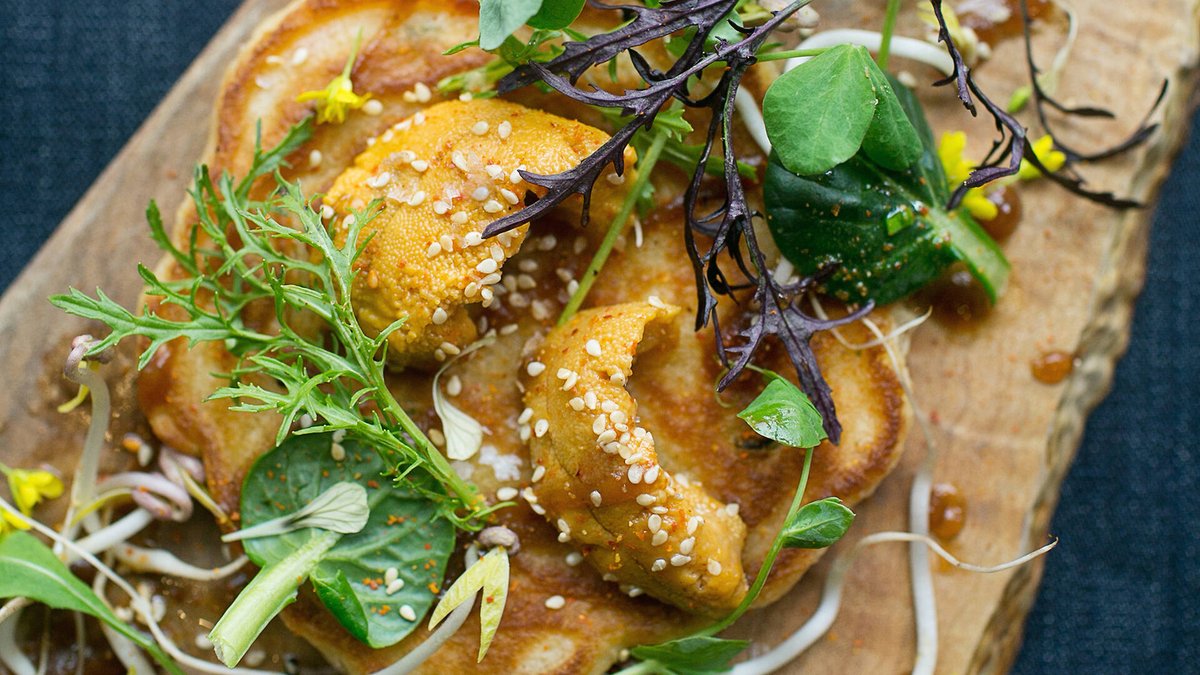
- Saison (2 Stars): Opened in 2009, Saison on Townsend Street was one of the first U.S. fine dining restaurants to embrace open-hearth cooking. Executive Chef Richard Lee (a James Beard semifinalist) sources extensively seasonal ingredients. The rustic warehouse setting complements an 8-10 course tasting menu or an abridged 6-8 course option, priced at $328 per person, with add-ons like sea urchin toast ($48) and A5 Wagyu ($78).
- Sons & Daughters (2 Stars): Earning its second star in 2024, Sons & Daughters, now on 18th Street, under Chef Harrison Cheney (Michelin’s Young Chef 2023), serves new Nordic cuisine. The tasting menu highlights preservation techniques—pickling, fermenting, curing, and smoking—applied to fruits, vegetables, seafood, and aged meats. This 2.5–4 hour experience reflects a deep commitment to flavor and seasonality.
- Kiln (2 Stars): Kiln made a splash by earning its second Michelin star in 2025, just a year after its debut. Chef John Wesley, another Young Chef award winner, presents a tasting menu of approximately 20 courses. His philosophy focuses on intention, simplicity, and purity, also with a Nordic lean towards preservation. Inventive dishes like puffed beef tendon and squab breast lacquered with burnt honey define the 2.5-3 hour experience.
These two-star restaurants represent an incredible breadth of culinary ambition and offer diverse settings and styles. Each offers a unique narrative through its cuisine, making a detour highly rewarding.
Stellar Stops: San Francisco's One-Star Gems
With sixteen one-star restaurants, San Francisco offers numerous opportunities to experience Michelin-level cuisine that’s often more accessible in terms of price or booking difficulty. These establishments are "worth a stop" and feature high-quality cooking that stands out.
- Mister Jiu’s (1 Star): A beacon in SF's Chinatown, Mister Jiu’s on Waverly Place is the only Michelin-starred restaurant categorized as Chinese food. Chef Brandon Jew's innovative take on Chinese cuisine includes dishes like big eye tuna with beets, soy milk "burrata" Dungeness crab, and his celebrated "Peking Style" whole duck. While walk-ins can enjoy à la carte bites, the elaborate tasting menu, priced at $125 per person, requires reservations.
- State Bird Provisions (1 Star): At 1529 Fillmore St, Chef Proprietors Stuart Brioza and Nicole Krasinski deliver an American cuisine experience that earned it a title as one of the nation’s cheapest Michelin-starred restaurants in 2021. Their menu, once focused on quail, now features pan-seared guinea hen, shiitake mushroom dumplings, and fried black cod tail. With prices typically $50-$100 per person à la carte, State Bird Provisions offers a unique opportunity for walk-ins, holding a portion of the dining room nightly.
- Aphotic (1 Star): Chef Peter Hemsley's Aphotic on Folsom Street offers a pescatarian tasting menu focused on sustainable seafood from the California coast. With a moody dining atmosphere and a wood-burning fireplace, diners can choose an 11-course tasting menu for $195 or a 13-course menu for $235, plus a 20% service charge.
- Angler (1 Star): From the team behind Saison, Angler on The Embarcadero offers a seafood-focused menu with waterfront views. Chef Joe Hou emphasizes dishes "touched by fire" on a wood-burning hearth. Expect shareable, à la carte options typically $50-$100+, alongside a $138 prix-fixe "Cook For You" menu.
- Gary Danko (1 Star): A classic San Francisco institution, Chef Gary Danko's restaurant on North Point Street has accumulated numerous accolades over 25 years. His contemporary creations blend French and globally-inspired roots with comforting home cooking. An elegant dining room, a roaming cheese trolley, and flexible menu options (3-course for $122, 4-course for $150, 5-course for $170) make this a timeless choice.
These one-star restaurants demonstrate the breadth and diversity of San Francisco's culinary talent. They prove that Michelin-level dining isn't solely about extravagant, lengthy tasting menus, but also about exceptional ingredients, skillful execution, and memorable flavors in a variety of settings.
Beyond the Stars: Practical Considerations for Your Michelin Visit
Booking a table at a Michelin-starred restaurant involves more than just selecting a date; it’s about understanding the nuances that ensure a flawless experience.
The Reservation Game: Securing Your Spot
- Booking Windows: Most highly sought-after restaurants release reservations 30 to 90 days in advance, often at a specific time (e.g., 10 AM PST). Set calendar reminders for your target date.
- Online Platforms: Tock and Resy are commonly used, often requiring pre-payment or credit card hold. Be ready to act fast.
- Waitlists: If your desired date is booked, join the waitlist. Cancellations do happen, especially closer to the date.
- Walk-ins: A few establishments, like State Bird Provisions, reserve a portion of their dining room for nightly walk-ins. Arrive early, even before opening, to queue up.
- "Tickets": Restaurants like Lazy Bear sell "tickets" for their dining experiences, which often include the full tasting menu price upfront. These are non-refundable but sometimes transferable.
Decoding the Menu & Budgeting Realistically
- Tasting Menus vs. À La Carte: Many Michelin-starred restaurants offer only tasting menus, sometimes with different lengths or seasonal variations. Others, particularly one-star spots like State Bird Provisions or Mister Jiu's (for walk-ins), provide à la carte options, allowing for more flexibility and potentially lower costs.
- Add-ons: Be aware of optional supplements like caviar, foie gras, or premium Wagyu, which can significantly increase the final bill. Examples include Saison's sea urchin toast ($48) or A5 Wagyu ($78).
- Wine & Beverages: Wine pairings are common and highly recommended for a complete experience, but they come with a substantial additional cost. A pairing can easily add $150-$300+ per person. Non-alcoholic pairings are also becoming more prevalent and equally thoughtful.
- Service Charges & Tipping: Many fine dining restaurants include a service charge (often 20%) in the bill, which covers staff wages and benefits. Clarify if additional tipping is expected or appreciated.
Dress Code & Etiquette
- Dress Code: While San Francisco is generally relaxed, "smart casual" is a safe bet for most one- and two-star restaurants. For three-star establishments like Atelier Crenn or Benu, you might lean towards "business casual" or "elegant," with jackets often preferred but not always required for men. Avoid casual wear like shorts or flip-flops.
- Dietary Restrictions: Communicate any allergies or dietary preferences when making your reservation or well in advance. Michelin-starred kitchens are typically adept at accommodating, but advance notice allows them to craft a truly tailored experience, rather than last-minute improvisation. Atelier Crenn, for example, is inherently pescatarian and dairy-free.
- Time Commitment: These are not quick meals. Most tasting menus are designed to be a multi-hour experience (2.5 to 4 hours), allowing time to savor each course and the ambiance.
The Value Proposition: What You're Really Paying For
A Michelin-starred meal is an investment in an experience that transcends mere sustenance. You're paying for:
- Culinary Artistry: The finest, often rare, ingredients prepared with innovative techniques and exquisite presentation.
- Exceptional Service: Seamless, anticipatory service from a highly trained front-of-house team.
- Ambiance & Design: Thoughtfully designed spaces that enhance the dining experience, from lighting and acoustics to tableware.
- Wine Program: Expertly curated wine lists, often with rare vintages and a sommelier to guide your choices.
- Memories: A singular, memorable event designed to delight all your senses.
A Michelin Playbook: Your Steps to a Seamless Dining Experience
Ready to embark on your own Michelin journey in San Francisco? Here's a quick playbook to guide your planning:
- Define Your Budget & Desired Star Level:
- Budget-conscious: Consider 1-star options like State Bird Provisions or Mister Jiu's à la carte for a taste of Michelin without breaking the bank.
- Experience-driven (moderate): Explore 1- and 2-star restaurants with tasting menus (e.g., Aphotic, Acquerello, Lazy Bear) for a substantial culinary journey.
- Ultimate indulgence: Target 3-star establishments (Atelier Crenn, Benu, Quince) for a once-in-a-lifetime gastronomic event.
- Choose Your Cuisine & Vibe:
- Italian refined: Acquerello, Quince.
- Modern American / New American: Lazy Bear, State Bird Provisions, Gary Danko.
- Asian-inspired / Chinese innovation: Benu, Mister Jiu's.
- Mexican heritage elevated: Californios.
- Seafood focus: Aphotic, Angler.
- Nordic/Preservation techniques: Sons & Daughters, Kiln.
- Pescatarian/Sustainable: Atelier Crenn.
- Research Reservation Strategies:
- Bookmark reservation pages for your top choices.
- Note booking release dates/times (e.g., 30/60/90 days out, 10 AM PST).
- Set calendar alerts to book as soon as slots open.
- Consider weeknights or slightly off-peak times for better availability.
- Have backup dates/restaurants in mind if your first choice isn't available.
- Account for Hidden Costs:
- Factor in wine pairings or à la carte drinks.
- Budget for potential add-ons or supplements on tasting menus.
- Be aware of service charges and decide if you'll add additional gratuity.
- Consider transportation costs to and from the restaurant.
- Prepare for the Experience:
- Confirm your reservation a few days prior.
- Reconfirm any dietary restrictions.
- Plan your outfit according to the restaurant's expected dress code.
- Arrive on time to fully enjoy the entire experience.
Quick Answers: Your Michelin Star FAQs
Q: What's the fundamental difference between a 1, 2, and 3 Michelin star restaurant?
A: A 1-star restaurant offers "high-quality cooking, worth a stop." A 2-star indicates "excellent cooking, worth a detour" for its exceptional skill and personality. A 3-star signifies "exceptional cuisine, worth a special journey" for its distinct dishes and perfect execution, offering a unique, memorable experience.
Q: Are Michelin-starred restaurants always expensive?
A: While many are, not all are prohibitively so. Restaurants like State Bird Provisions offer à la carte options that can be quite reasonable ($50-$100 per person), making it one of the more "affordable" Michelin experiences. However, tasting menus, especially at two- and three-star levels, typically range from $150 to nearly $400 per person, before drinks and service.
Q: Can I find diverse cuisines among San Francisco's Michelin stars?
A: Absolutely. San Francisco's Michelin scene is celebrated for its diversity. You can enjoy innovative Chinese cuisine at Mister Jiu’s, elevated Mexican heritage dishes at Californios, contemporary Italian at Acquerello and Quince, and various interpretations of New American and Asian-inspired menus at others.
Q: Do I need to book months in advance for all Michelin-starred restaurants?
A: Not necessarily. While three-star and popular two-star restaurants often require booking 1-3 months ahead, some one-star establishments might have more availability or even offer walk-in options (like State Bird Provisions). Flexibility with dining dates (e.g., weeknights) can also improve your chances.
Q: What happened to Michelin's "Green Stars" for sustainability?
A: While Michelin still recognizes sustainable practices, the "Green Star" no longer appears as a searchable filter on their official website. This indicates a shift in how they prioritize showcasing this category publicly, although many restaurants (like Atelier Crenn) continue to champion sustainability.
Your Next Step to Culinary Discovery
The landscape of michelin star restaurants San Francisco 2024 is rich, varied, and constantly evolving. Whether you're seeking a grand, once-in-a-lifetime celebration or a taste of culinary excellence without the highest price tag, San Francisco offers an unparalleled selection. Take the time to consider what kind of experience you desire, research your top choices, and plan your reservations strategically. By understanding the nuances of the Michelin Guide and embracing the practicalities of fine dining, you're not just booking a meal—you're curating an unforgettable memory in one of the world's great food cities.